Trading 212 globally
in client assets
Trustpilot
TrustScore 4.6
94,037 reviews
lifetime funded accounts
Buy stocks instantly
Building wealth is a habit.
Automate it with a Pie.
Invest in ready-made pies, or build your own selecting from thousands of stocks and ETFs
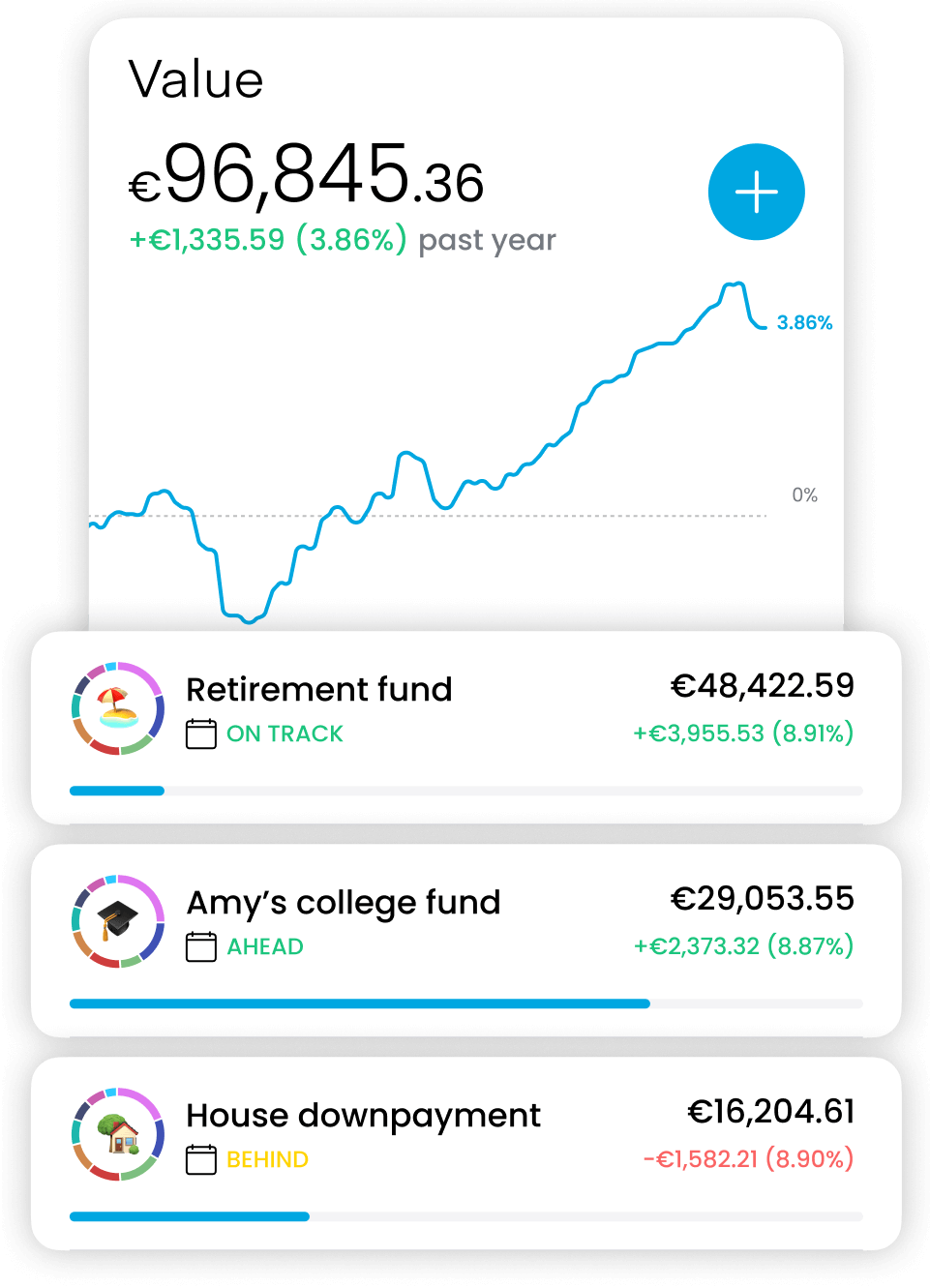
Own even the most expensive stocks like Google, Amazon and Apple
Earn daily interest on your portfolio
Boost your investment returns with Trading 212’s share lending

Your earnings
Last month
£5.28
All-time
£76.23
Interest rate
4%
Daily interest
£0.23
Lent shares
Amazon
£1,034.23
AMZN
1.231323 shares
GameStop
£424.73
GME
23.341234 shares
Canon
£20.73
CAJ
235.341234 shares
The world's first and only
24/5 trading
with fractional shares

1 investing account.
12 global currencies.
Avoid FX fees. Deposit and invest across multiple currencies.
Transfer your portfolio from and to other brokers
Automatic, paperless, free


Euronext
Paris

NYSE,
NASDAQ

Xetra,
Gettex

Euronext Amsterdam

Bolsa
de Madrid

Wiener
Börse

London Stock Exchange

Euronext Lisbon
Euronext
Paris
NYSE,
NASDAQ
Xetra,
Gettex
Euronext Amsterdam
Bolsa
de Madrid
Wiener
Börse
London Stock Exchange
Euronext Lisbon
Invest tax-free in a
Stocks and Shares ISA
Our uncompromising investing experience also available as a Stocks and Shares ISA

24/7 support
29 seconds average response time
Start building wealth now
Join over 5 million clients
Get the mobile app

All stats are global. The clients figure refers to lifetime funded accounts.
Excellent
Rated 4.6 / 5 based on 94,037 reviews on
Trustpilot
Rated 4.6 / 5 based on 94,037 reviews on
Trustpilot
Invited
Easy to navigate and instant viewing of…
Easy to navigate and instant viewing of ISA. Also receiving daily amounts of money earned.
Invited
It works well for me , it’s my first year
Opened a cash isa for my self and one for my wife about a year ago works well us but never withdrawn any thing out yet so have to wait till we do to see how easy that will be, happy with 212 .
Invited
Great app easy to use and make…
Great app easy to use and make transfers in/out i will however be looking to move some money due to drop in interest
Invited
Trading pays a decent amount of…
Trading pays a decent amount of interest and it’s recommended by me and easy to use to
Invited
Just so easy to use and I love how it…
Just so easy to use and I love how it pops up how much interest I have made daily
Invited
Very good app
Very good app! Easy to use for a first timer/beginner in trading stocks. Everything can be done in the app.
Invited
High interest rates
High interest rates, easy deposit, easy withdrawal, no restrictions. 10/10
Invited
Easy user interface
Easy user interface Comms good by email. Swift response
Invited
Such a btilliant and easy platform to…
Such a btilliant and easy platform to use
Invited
Beginner freindly
Beginner freindly, very organised UI.
Invited
I like it
I like it! For me the best invest broker.
Invited
Setting the standard
Trading 212 gave excellent customer service in dealing with a problem caused by my previous Pension provider. They went above and beyond what was expected and reassured me that my investment is being managed by professionals.
Invited
Great app
Great app, easy to use and low to no charges
Invited
Super easy to use and rapid withdrawals…
Super easy to use and rapid withdrawals when required
Invited
Absolutely wicked…can’t stop using its…
Absolutely wicked…can’t stop using its features…amazing platform
Invited
Stocks are great, just play them right
Just research before investing no meme stocks, just real world work, don’t be stupid and play with leverage just dca and watch it grow
Invited
Awesome app for trading and very…
Awesome app for trading and very friendly visual
Invited
I’m new here I’m learning as well so…
I’m new here I’m learning as well so it’s getting good experience
Invited
Easy to use and regular updates
The app is easy to use and I find it really helpful having regular updates
Invited
Started to use Trading 212 for a Cash…
Started to use Trading 212 for a Cash ISA as they had the best rate in the UK market. Recently started to use Stocks platform, really easy to use and trade on. I’m new to trading / buying shares, and the ease of use ensures it’s not daunting.
Showing some of our positive client reviews
Our awards