Cryptocurrency and Blockchain explained
Crypto and blockchain have become buzzwords of our time. Most people know the names, but few really grasp how they work, how to use them or even why they matter. What follows will give you the clarity to separate hype from reality when it comes to cryptocurrency. Crypto is now an asset class in its own right and it is researched and respected by modern investors.
This article is for educational purposes only and should not be considered investment advice. Crypto-assets are high-risk and volatile. You could lose your invested capital, and these assets are not covered by protection schemes. Make sure you understand the risks before investing.
This article is for educational purposes only and should not be considered investment advice. Crypto-assets are high-risk and volatile. You could lose your invested capital, and these assets are not covered by protection schemes. Make sure you understand the risks before investing.
QUOTE
We have elected to put our money and faith in a mathematical framework that is free of politics and human error.
– Tyler Winklevoss (investor and entrepreneur)
– Tyler Winklevoss (investor and entrepreneur)
Big ideas
- The first Bitcoin block was released in January 2009. But talks of decentralized currencies started in the 1980s, with many attempts over the decades.
- Cryptocurrencies are digital assets that run on top of blockchains, the underlying technology that records and verifies transactions. Arguably, the real innovation is the blockchain itself.
- Blockchains are typically immutable (blocks can't be changed) and transparent (transactions can be viewed). You can think of it as a new cryptographically-secured database structure. Information is stored in blocks, with copies saved on many computers (known as nodes or servers).
The origins of cryptocurrency and blockchain
It is important to note that while Bitcoin is the cryptocurrency that succeeded, the real origins date back to UC Berkeley’s David Chaum. In 1982, he released a paper titled Computer Systems Established, Maintained, and Trusted by Mutually Suspicious Groups. This paper set the scene for decentralised blockchains.
Chaum also founded eCash in 1983 and founded Digicash in 1989. During the 1990s, multiple attempts were made to invent alternative digital currencies.
Chaum also founded eCash in 1983 and founded Digicash in 1989. During the 1990s, multiple attempts were made to invent alternative digital currencies.
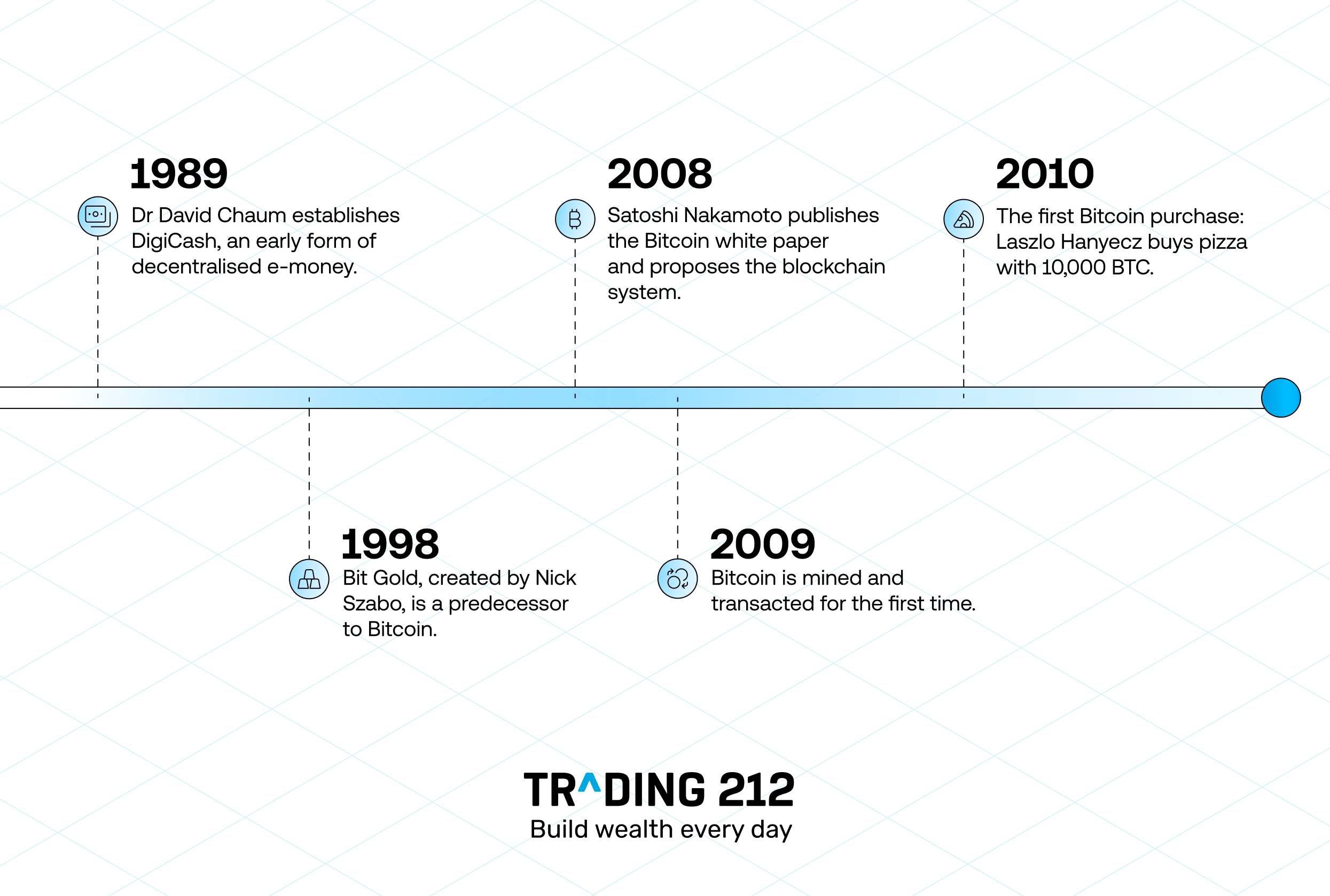
The Bitcoin genesis block was released in January 2009, with the 2008 whitepaper released under the pseudonym Satoshi Nakamoto. Nobody knows who is responsible for its creation. This reflects one of the tenets of the technology itself - anonymity (or pseudonymity, in any case).
Early stage cryptos were mainly aimed at providing fast, secure, private (or anonymous), low-cost transfers. This includes Bitcoin (2008), Litecoin (2011), XRP (2012), Monero (2013), Dash (2014), and others, often referred to as Crypto 1.0. They didn't have smart contract functionality, which was introduced by Ethereum in 2015.
Early stage cryptos were mainly aimed at providing fast, secure, private (or anonymous), low-cost transfers. This includes Bitcoin (2008), Litecoin (2011), XRP (2012), Monero (2013), Dash (2014), and others, often referred to as Crypto 1.0. They didn't have smart contract functionality, which was introduced by Ethereum in 2015.
What is cryptocurrency and how does it work?
DEFINITION
Cryptocurrency is a form of digital money that exists only online and runs on blockchain technology. It uses cryptography to secure transactions and unlike regular currency, it is decentralised, meaning no government or central bank manages it.
Cryptocurrencies are part of a bigger ecosystem held together by a blockchain (more on this below).
The blockchain is a digital ledger, recording every transaction ever made with the said cryptocurrency. Each new set of transactions is grouped into a block and permanently added to the chain, creating a secure and transparent record. But who adds the blocks and keeps the system honest?
Mining (used by Bitcoin and others) involves solving complex puzzles with computing power. The first to solve it validates the transactions and adds the block to the chain.
Staking (used by Ethereum and newer networks) involves locking up existing coins as collateral to be chosen to validate transactions.
In both cases, the network rewards validators with newly created cryptocurrency, alongside transaction fees. This is how new coins enter circulation – so the process not only secures the blockchain but also creates the money itself.
In short:
The blockchain is a digital ledger, recording every transaction ever made with the said cryptocurrency. Each new set of transactions is grouped into a block and permanently added to the chain, creating a secure and transparent record. But who adds the blocks and keeps the system honest?
Mining (used by Bitcoin and others) involves solving complex puzzles with computing power. The first to solve it validates the transactions and adds the block to the chain.
Staking (used by Ethereum and newer networks) involves locking up existing coins as collateral to be chosen to validate transactions.
In both cases, the network rewards validators with newly created cryptocurrency, alongside transaction fees. This is how new coins enter circulation – so the process not only secures the blockchain but also creates the money itself.
In short:
- Blockchain = the record book
- Cryptocurrency = the money written in it
- Mining / Staking = how the book is kept up to date and how new money is created
Definition of blockchain: Main concepts and technology
DEFINITION
Blockchain is a decentralised digital ledger that records data across many computers at once. Transactions are grouped into blocks, linked in sequence, and secured with cryptography, making the record transparent, tamper-resistant, and independent of any central authority.
You can think of the blockchain as a new mechanism of data storage and transfer.
A distinguishing characteristic of a blockchain is that it doesn’t require a third party.
A distinguishing characteristic of a blockchain is that it doesn’t require a third party.
- A block of data can't be changed (immutable)
- It is publicly viewable (transparent)
The blockchain is self-validating, in contrast to requiring an auditor, regulator, or third party. This is highly significant, given the criticism of third-party auditors and regulators in terms of preventing financial problems within centralised systems.
Note that various data formats can be stored on a blockchain. Its use cases are not limited to cryptocurrencies but can make data immutable in any industry.
Note that various data formats can be stored on a blockchain. Its use cases are not limited to cryptocurrencies but can make data immutable in any industry.
What is mining and how does it work?
DEFINITION
Crypto mining is the process of creating new coins and keeping the network running. Miners use computers to solve tricky math puzzles that confirm transfers.
When a miner solves a puzzle, the transfer is added to the public record, and the miner earns new coins as a reward. This process helps keep the network secure and makes sure coins are not spent twice.
When a miner solves a puzzle, the transfer is added to the public record, and the miner earns new coins as a reward. This process helps keep the network secure and makes sure coins are not spent twice.
Mining can use a lot of electricity and needs strong computers, which can make it expensive. Some coins use methods that rely less on power, letting more people join without huge costs. Mining pools let many miners work together, sharing rewards based on how much they contribute.
Mining is different from simply buying coins because it takes time, effort, and equipment to earn new ones. The process is open and transparent, so anyone can check the records. While mining can be profitable, it also has risks, such as changes in coin value, rising costs, or new rules that affect how it works. It is also dominated by large firms with state-of-the-art mining rigs and specialized knowledge.
Mining is different from simply buying coins because it takes time, effort, and equipment to earn new ones. The process is open and transparent, so anyone can check the records. While mining can be profitable, it also has risks, such as changes in coin value, rising costs, or new rules that affect how it works. It is also dominated by large firms with state-of-the-art mining rigs and specialized knowledge.
Advantages and disadvantages of cryptocurrency
The people who own and trade cryptocurrencies tend to be very enthusiastic about their potential use cases but the wider public is still not fully convinced of the need.
Pros of cryptocurrency
- ✅ Operates 24/7, allowing global access and continuous trading.
- ✅ Provides direct ownership and control of digital assets through private keys.
- ✅ Offers potential for high returns due to price volatility and emerging technologies.
Cons of cryptocurrency
- ❌ Highly volatile, with prices capable of large swings in short periods.
- ❌ Regulatory uncertainty in many jurisdictions can affect adoption and access.
- ❌ Steep learning curve, which limits the speed of wider adoption by the public.
How to use cryptocurrencies for beginners: Step-by-step
To start with, it is helpful to compare the use of cryptocurrencies and their storage in a crypto wallet to using regular money and keeping it in a bank account.
1. Understand what Crypto is
By reading this article you are already taking this step, keep reading!
2. Choose and set up a wallet
- Hot wallets: Online and easy to access (apps on your phone or computer).
- Cold wallets: Offline and more secure (hardware devices or even paper backups).
3. Secure your private key
Every wallet comes with a private key – a long string of characters. This is like your PIN, except if you lose it, there is no forgot password option.
- Store it securely (ideally offline).
- Keep backup copies in safe locations.
- Never share it with anyone.
4. Buy cryptocurrency with fiat money
Once your wallet is ready, you will need to buy some crypto. You can do this through:
- Crypto exchanges (like Coinbase, Binance, Kraken).
- Broker apps, like Trading 212, that allow you to buy with a debit card or bank transfer.
The crypto you purchase will then be transferred to your wallet.
5. Sending crypto
To transfer funds:
- Enter the recipient’s wallet address (it looks like a long string of numbers).
- Confirm the amount.
- Approve the transaction using your private key.
6. Receiving crypto
If someone wants to send you crypto, just share your wallet address with them (you will get this when you obtain the wallet). The funds will appear in your wallet once the transaction is processed on the blockchain - usually very quickly.
7. Just be careful
Since it is all a new experience, just be extra vigilant. Keep your private keys safe, double-check addresses before sending, and consider using a cold wallet for larger amounts. This ensures your transactions are secure and your funds remain in your control.
What can you buy with cryptocurrency?
Cryptocurrencies can be used to buy a growing range of goods and services. Many online retailers and travel platforms accept Bitcoin, Ethereum, and other major tokens. Some physical stores, restaurants, and cafés also accept crypto payments.
Beyond consumer purchases, crypto is used for digital services, gaming, NFTs, and decentralised finance applications like lending or staking. While adoption is increasing, most vendors still don't accept crypto, and payment processing may involve conversion fees.
Investors often use crypto directly for transactions or as a medium of exchange in ecosystems that support blockchain-based payments.
Beyond consumer purchases, crypto is used for digital services, gaming, NFTs, and decentralised finance applications like lending or staking. While adoption is increasing, most vendors still don't accept crypto, and payment processing may involve conversion fees.
Investors often use crypto directly for transactions or as a medium of exchange in ecosystems that support blockchain-based payments.
Can crypto be turned into cash?
Yes, cryptocurrency can be converted into fiat currency through exchanges or peer-to-peer platforms. Centralized exchanges allow users to sell crypto for dollars, euros, or other national currencies, which can then be withdrawn to bank accounts. Some ATMs also support direct crypto-to-cash conversions.
Conversion rates and fees vary by platform and token. Selling crypto may trigger taxable events depending on local regulations. While the process is generally straightforward for major cryptocurrencies, smaller or less liquid tokens may be harder to convert quickly at a fair market price.
Conversion rates and fees vary by platform and token. Selling crypto may trigger taxable events depending on local regulations. While the process is generally straightforward for major cryptocurrencies, smaller or less liquid tokens may be harder to convert quickly at a fair market price.
How does investment using crypto work?
Investing in crypto means buying digital coins with the anticipation that their value rises over time. Coins can be stored in wallets, traded for capital gains, or used in staking and lending for rewards, similar in concept to earning dividends.
As of November 2025, the entire cryptocurrency market is worth around $3.5 trillion, with the largest coins dwarfing the market cap of many large corporations and even countries.
As of November 2025, the entire cryptocurrency market is worth around $3.5 trillion, with the largest coins dwarfing the market cap of many large corporations and even countries.
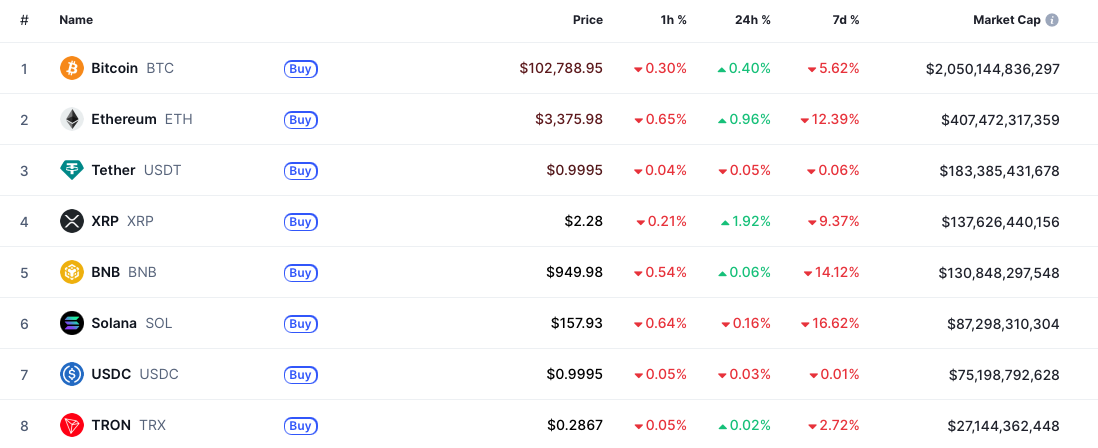 Source: CoinMarketCap, 6 November 2025
Crypto markets operate 24 hours every day with no fixed trading schedule, unlike nearly all other investment and trading products such as forex trading and investing in stocks.
Volatility is high, but so is the potential gain. Some investors spread their holdings across multiple coins to reduce risk, while others focus on major tokens like Bitcoin or Ethereum for long-term growth.
Volatility is high, but so is the potential gain. Some investors spread their holdings across multiple coins to reduce risk, while others focus on major tokens like Bitcoin or Ethereum for long-term growth.
How does the cryptocurrency price work?
Crypto prices are set by how many people want to buy or sell a coin (i.e. supply and demand). More buyers than sellers push the price up, and more sellers than buyers push it down.
The reason more people might demand a coin include signs of higher adoption, network updates, and world events. Major coins like Bitcoin often guide the market and affect smaller tokens.
The reason more people might demand a coin include signs of higher adoption, network updates, and world events. Major coins like Bitcoin often guide the market and affect smaller tokens.
Is crypto real money?
Crypto is not an official tender in most countries. It can be used for payments but it is not backed by governments. Its value comes from how widely it is used, scarcity, and trust among users. Some places treat it as property, digital items, or commodities.
How cryptocurrency is created: Consensus mechanisms
Consensus mechanisms are not primarily for creating or issuing cryptocurrency. Their main purpose is to make sure all the computers (nodes) on a blockchain network agree on the validity of transactions and the state of the ledger.
However, as part of doing that, many blockchains also reward validators (miners or stakers) with newly issued cryptocurrency. Oddly, creating crypto is like a by-product of securing and validating the network.
However, as part of doing that, many blockchains also reward validators (miners or stakers) with newly issued cryptocurrency. Oddly, creating crypto is like a by-product of securing and validating the network.
DEFINITION
A consensus mechanism is how blockchains networks agree on the validity of transactions. Since there is no central authority, participants must follow shared rules. Transactions have to be verified, otherwise people could make copies of cryptocurrencies and double spend.
So the transactions are verified through a specific consensus mechanism, usually one of the following:
Type | Description | Advantages | Drawbacks | Examples |
Proof of Work (PoW) | Miners solve math problems to add blocks | Secure, well-tested, decentralised | Slow, high energy use | Bitcoin, Litecoin |
Proof of Stake (PoS) | Validators chosen based on staked tokens | Fast, energy-efficient, scalable | Large coinholders may control the network. | Ethereum, Cardano, Polkadot |
Delegated PoS (DPoS) | Holders vote for delegates to confirm blocks | DPoS is quick, low fee, and efficient | Can concentrate power among few | EOS, Tron, Lisk |
Proof of History (PoH) | Timestamps events before verification | Very fast | Relies on PoS or other layers | Solana, Helium |
Proof of Authority (PoA) | Trusted actors confirm transactions | Fast, predictable, and relatively low cost | Not open or fully decentralised | Binance Chain, Kovan testnet |
Practical Byzantine Fault Tolerance (PBFT) | Nodes reach agreement even if some cheat | Efficient, secure in closed networks | Useful for smaller blockchain networks | Hyperledger Fabric, Zilliqa, Tendermint |
Directed Acyclic Graph (DAG) | Transactions confirm earlier ones in a graph | Scalable, low fees, fast | Limited adoption, less standardised | Hedera Hashgraph, Fantom, Nano |
Hybrid Mechanisms | Uses many consensus methods for best effect | Balances security, speed, decentralisation | Can be harder to implement and secure | Ethereum (pre-Merge), Decred, Kadena |
The specific consensus mechanism used denotes the speed, efficiency, and security of the blockchain. The major mechanisms are outlined below
What is Proof of Work (PoW)?
The first consensus mechanism, through Bitcoin, was Proof of Work (PoW). It has been the cause of much controversy, and the blockchain forked on many occasions (Bitcoin Cash, Bitcoin SV, etc.) due to developers who had differences of opinion on how the blockchain should function.
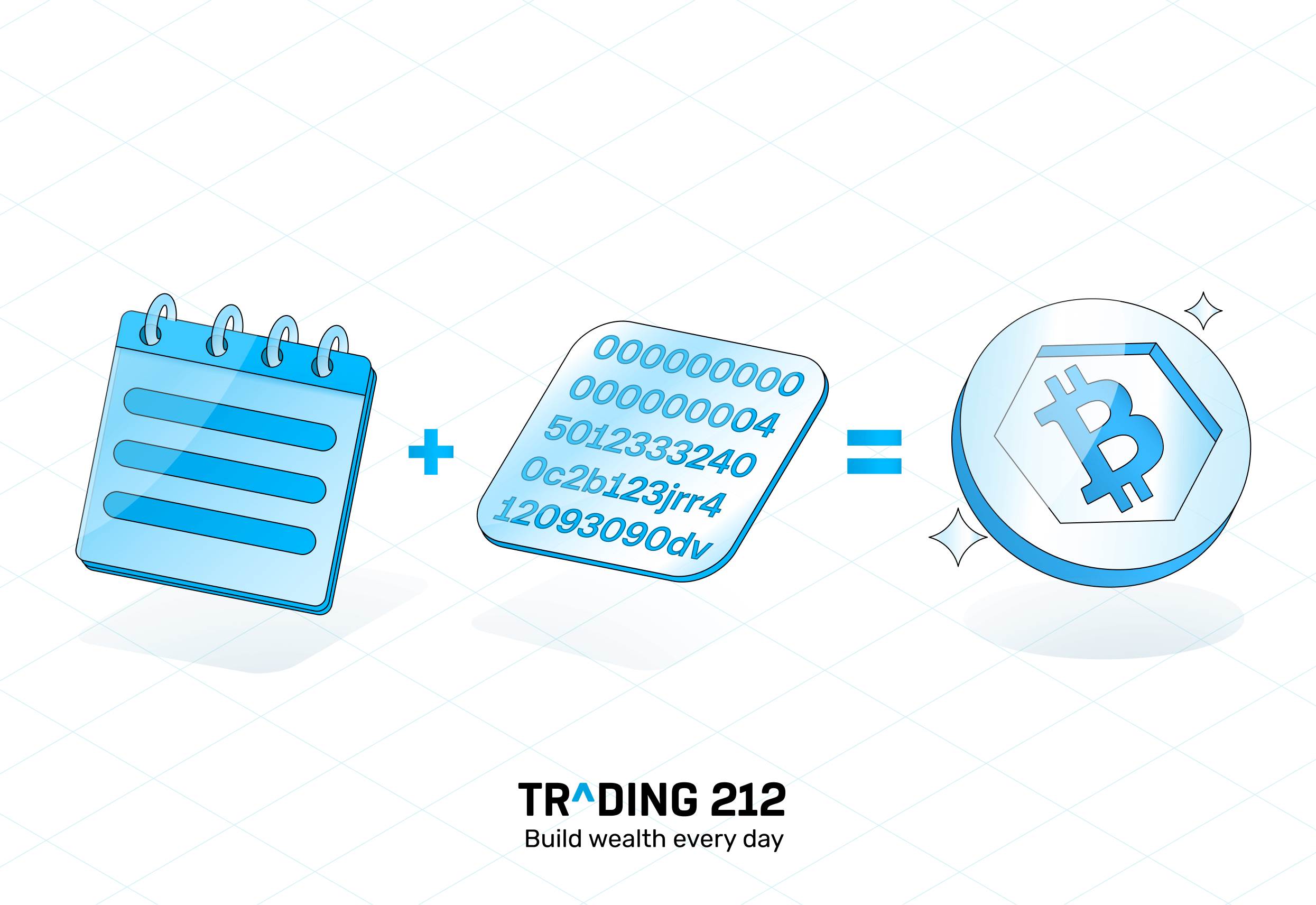
Through PoW, miners solve complex math tasks to add blocks to the blockchain using computers, often ASICs. The process secures the network, making fraud extremely difficult. PoW is slow and consumes a lot of electricity, which has raised environmental concerns.
Despite this, it remains trusted and reliable. Bitcoin and Litecoin are the most well-known examples. It also encourages decentralisation, since anyone with hardware can participate. However, large mining farms dominate today, as they can run farms at a lower electricity cost.
Despite this, it remains trusted and reliable. Bitcoin and Litecoin are the most well-known examples. It also encourages decentralisation, since anyone with hardware can participate. However, large mining farms dominate today, as they can run farms at a lower electricity cost.
What is Proof of Stake (PoS)?
In Proof of Stake, people who commit (stake) coins get picked to check blocks. The more they commit, the better the chance. This uses far less power than Proof of Work and moves blocks faster. With PoS, coins can be staked to earn interest. Chains like Ethereum, Cardano, and Polkadot use it. Big holders do have an edge, though it still lets many take part.
What is Delegated Proof of Stake (DPoS)?
Here, coin owners vote for a few reps who write new blocks. That keeps the chain quick and cheap to use. EOS, Tron, and Lisk follow this model. The tradeoff is clear – if only a few reps hold sway, power is not spread out. Voting also needs people to keep turning up.
What is Proof of History (PoH)?
This one adds a clock. Every event gets a time mark before checks. It lines trades up in order, then Proof of Stake deals with them. Solana and Helium both run on this. By sorting first, the chain avoids long waits. It shines when lots of trades need to move at once, like markets or live apps.
PoA cuts out the crowd. A set group of known names writes the blocks. It is fast, cheap, and steady but less open. Firms like it for private chains. Binance Chain and Ethereum’s Kovan test net use this setup. It works best where speed beats openness.
What is Practical Byzantine Fault Tolerance (PBFT)?
PBFT is about trust when some players cheat. Nodes still agree by voting. It is handy for small or closed chains where quick checks matter more than broad reach. Hyperledger Fabric, Zilliqa, and Tendermint use it. It cuts power use and stays stable if the group is fixed.
What is a Directed Acyclic Graph (DAG)?
DAG chains trade on the web. Each new one signs off on past ones. This is an efficient mechanism that helps with both speed and fees. Hedera Hashgraph, Fantom, and Nano use this path. It is very useful for small trades or smart devices. It is still not widespread, but folks see promise.
What are hybrid models?
Some setups mix styles. Proof of Activity, for instance, starts with miners doing work. After that, stakers sign off. You get both the grind of mining and the reach of staking. Ethereum (before the Merge), Decred, and Kadena have all gone this route.
How many crypto coins are there? Brief overview of the popular cryptocurrencies
While there was, at one time, only Bitcoin to choose from, today, there are thousands of cryptocurrencies on the market. Many of these, however, have no history, and possibly no future either! There are many scam coins, meme tokens, and projects with no real use case.
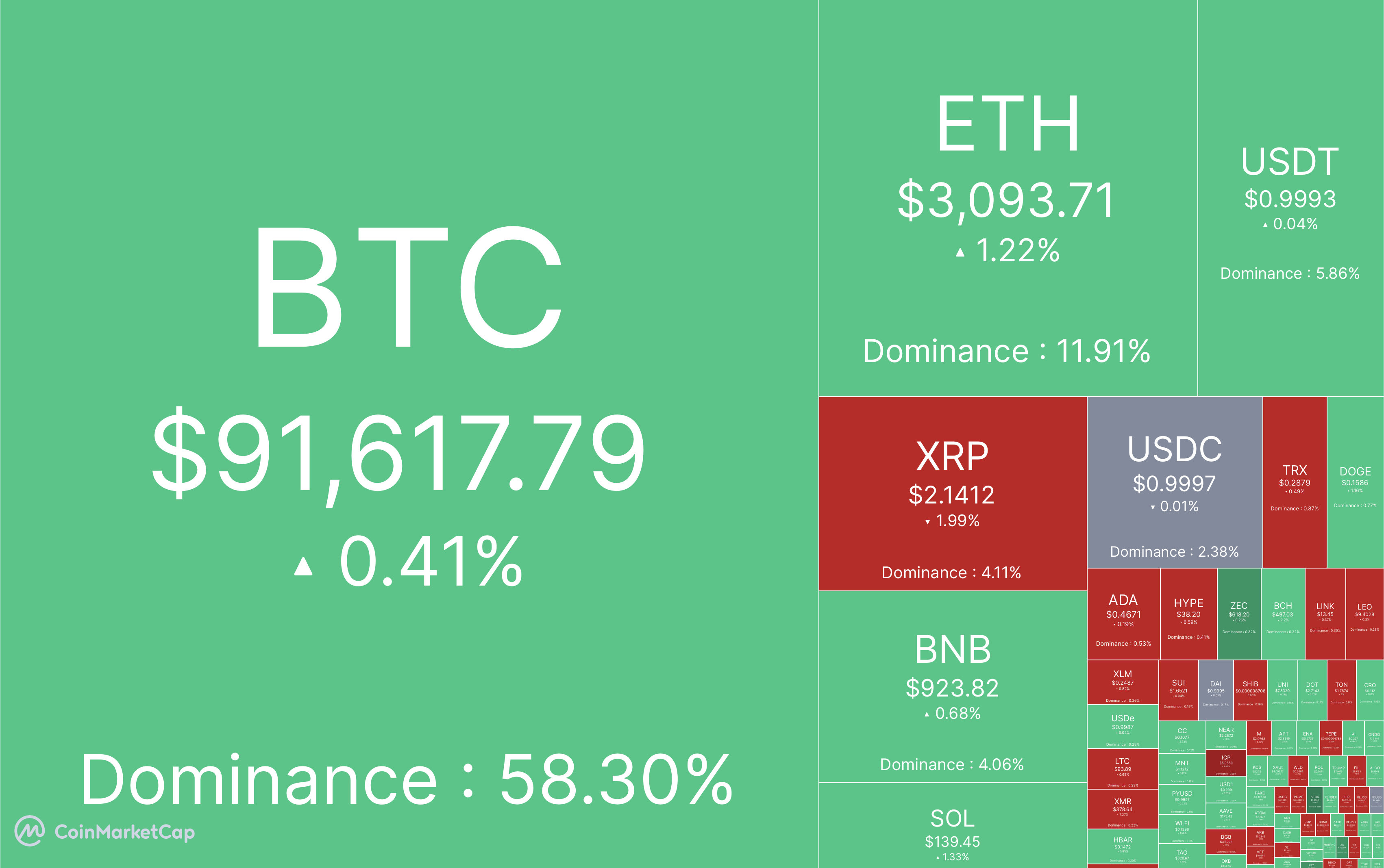 Source: CoinMarketCap (19 November 2025)
On the other hand, there are proven cryptos that have stood the test of time, withstanding many controversies and sticking around when most predicted they would not last a year. They have huge market caps and large followings. Major coins are explored below.
Bitcoin (BTC)
Bitcoin is the first cryptocurrency and the largest by market value. BTC is often called digital gold because only 21 million coins will ever exist. Every transfer is recorded on a public ledger, making it clear and permanent.
Bitcoin is accepted by many exchanges, wallets, and payment platforms. Its price can change quickly, driven by investor moods, global events, and rules set by authorities. Many people use BTC as a store of value or as a hedge when inflation rises.
Bitcoin is accepted by many exchanges, wallets, and payment platforms. Its price can change quickly, driven by investor moods, global events, and rules set by authorities. Many people use BTC as a store of value or as a hedge when inflation rises.
Ethereum (ETH)
Ethereum is a blockchain that lets people run smart contracts and DeFi apps. It used Proof of Work before switching to Proof of Stake after the Merge. Ether (ETH) is used to pay fees and run programs on the network.
The ecosystem includes DeFi apps, NFTs, and ERC-20 tokens. Ethereum allows developers to build complex programs on its chain. Its price depends on how many use it, upgrades, and network growth. Investors see ETH as both a tool for using apps and a potential asset that could rise in value over time.
The ecosystem includes DeFi apps, NFTs, and ERC-20 tokens. Ethereum allows developers to build complex programs on its chain. Its price depends on how many use it, upgrades, and network growth. Investors see ETH as both a tool for using apps and a potential asset that could rise in value over time.
Tether (USDT)
Tether is a stablecoin tied to the US dollar, keeping a roughly 1:1 value. It is popular for trading and acts as a safe place during market swings. USDT works on blockchains like Ethereum, Tron, and Solana, letting users move funds across networks.
Traders use Tether to move money without going back to regular currency. Its value is backed by reserves, though transparency is sometimes questioned. Despite regulations, USDT remains the most traded stablecoin, supporting liquidity and functioning as a foundation for exchanges and DeFi projects.
Traders use Tether to move money without going back to regular currency. Its value is backed by reserves, though transparency is sometimes questioned. Despite regulations, USDT remains the most traded stablecoin, supporting liquidity and functioning as a foundation for exchanges and DeFi projects.
USD Coin (USDC)
USD Coin is a stablecoin backed fully by US dollars and issued by regulated firms. It keeps a 1:1 value with the dollar and is used in trading, payments, and DeFi. USDC runs on chains like Ethereum and Solana, so it works across many platforms.
The coin is regularly audited to ensure reserves match its supply. Investors use USDC to hold funds safely during volatile periods or to move crypto quickly. Its transparency and regulatory compliance make it a trusted choice for both individual and institutional users.
The coin is regularly audited to ensure reserves match its supply. Investors use USDC to hold funds safely during volatile periods or to move crypto quickly. Its transparency and regulatory compliance make it a trusted choice for both individual and institutional users.
XRP (XRP)
XRP is made by Ripple Labs for fast and low-cost cross border payments. It uses the XRP Ledger, which validates transactions without mining. Transfers happen in seconds, which makes it useful for banks and payment services.
XRP has a fixed supply, most of which was created at launch and released over time. Regulatory issues, especially in the US, have affected its adoption and price. Still, it is widely used for remittances and liquidity.
XRP has a fixed supply, most of which was created at launch and released over time. Regulatory issues, especially in the US, have affected its adoption and price. Still, it is widely used for remittances and liquidity.
Cardano (ADA)
Cardano uses Proof of Stake to confirm transactions. It focuses on security, scale, and low energy use. ADA is the token for fees, staking, and governance. Cardano runs smart contracts and apps with a research-first approach.
Its layered design separates payment and program operations, improving speed. Investors see ADA as a long-term project with potential in both developing markets and business applications. Its growth depends on adoption, smart contract use, and network upgrades.
Its layered design separates payment and program operations, improving speed. Investors see ADA as a long-term project with potential in both developing markets and business applications. Its growth depends on adoption, smart contract use, and network upgrades.
Solana (SOL)
Solana is a fast chain that mixes Proof of History with Proof of Stake. It handles transactions quickly and at low cost. The chain is home to many meme projects due to its speed and cost. The network can process thousands of trades per second, which makes it suitable for apps that need high speed.
Solana’s ecosystem is growing, with more users and developers joining. However, occasional network outages show that speed can come with trade-offs. Investors watch adoption, validator activity, and ecosystem growth closely.
Solana’s ecosystem is growing, with more users and developers joining. However, occasional network outages show that speed can come with trade-offs. Investors watch adoption, validator activity, and ecosystem growth closely.
Avalanche (AVAX)
Avalanche is a chain that focuses on speed, scale, and working across different networks. It uses Proof of Stake with multiple subnets, letting developers create custom chains.
Avalanche supports smart contracts and DeFi while keeping costs low. Its design lets projects build specialized networks for many purposes. Investors see AVAX as a way to take part in a growing DeFi ecosystem and in potential network expansion for business and DeFi apps.
Avalanche supports smart contracts and DeFi while keeping costs low. Its design lets projects build specialized networks for many purposes. Investors see AVAX as a way to take part in a growing DeFi ecosystem and in potential network expansion for business and DeFi apps.
Major cryptocurrency types
Cryptos can be loosely classed by their sector. It is, however, an emerging technology, and many coins can be found in between the different types.
Bitcoin, once attacked for being a basic crypto payment system, now has additional layers like Rootstock allowing for smart contracts to be built on top of its blockchain. The coins can adapt and evolve beyond their initial function.
Bitcoin, once attacked for being a basic crypto payment system, now has additional layers like Rootstock allowing for smart contracts to be built on top of its blockchain. The coins can adapt and evolve beyond their initial function.
- Payment coins – these are made for transfers, like digital cash. Bitcoin is the best known, along with Litecoin and Bitcoin Cash. They focus on fast and secure transfers without banks.
- Privacy coins – these focus on anonymity and hidden transactions. Monero (XMR), Zcash (ZEC), and Dash (DASH) provide options for private transfers.
- Stablecoins – these are tied to real world assets such as the US dollar or gold. This keeps their value more steady. Tether (USDT), USD Coin (USDC), and DAI (DAI) are leading examples.
- Meme coins – often created from online culture. Popular, early stage coins include Dogecoin and Shiba Inu. While they started as jokes, they have drawn real investor interest and huge followings.
- Utility tokens – these are digital coins you use to access a tool or service on a platform. They don't give a part of the project or pay profits. People use them to open features, pay fees, or run apps. How much they are worth depends on how many people use the platform and need the token.
- Security tokens – these are digital tokens that show a claim on a project. They can give a share of profits or earnings. You can think of them like old-style company shares or bonds, but handled with code on a blockchain. The more people hold them, the more claims are shared.
The lines between these categories may become blurred as crypto evolves. New coin groups, such as AI coins, for example, might take attributes from different sectors.
What is Decentralised Finance (DeFi)?
DEFINITION
Decentralised Finance (or DeFi), refers to financial services built on public blockchains without third-party intermediaries. It allows users to trade, lend, borrow, and earn interest through smart contracts. These contracts execute automatically when conditions are met, removing the need for banks or brokers.
The growth of DeFi started around 2020, when lending platforms and DeFi exchanges gained traction. DeFi is a way to handle money without banks or middlemen. It works on blockchains, which keep a record of all transfers so anyone can see them. Programs called smart contracts handle the rules and move money automatically, without a person in the middle.
Through DeFi, people can lend or borrow coins, swap tokens, or lock coins to earn a reward. There are many apps for this, like lending sites and token swaps, which let users take part without a company controlling it.
Despite all benefits, DeFi does come with inherent risks. Bugs in the programs, sudden price changes, or poorly built apps can cause people to lose money. Users need to be careful and check how each app works before putting in coins. Despite some hiccups, DeFi is still growing because it lets people use money in new ways that were previously impossible to do.
Through DeFi, people can lend or borrow coins, swap tokens, or lock coins to earn a reward. There are many apps for this, like lending sites and token swaps, which let users take part without a company controlling it.
Despite all benefits, DeFi does come with inherent risks. Bugs in the programs, sudden price changes, or poorly built apps can cause people to lose money. Users need to be careful and check how each app works before putting in coins. Despite some hiccups, DeFi is still growing because it lets people use money in new ways that were previously impossible to do.
How is investment using crypto different from traditional investment?
Coins are kept in digital wallets and can be traded, staked, or lent to earn extra rewards. Crypto works all day and night, unlike other markets with set hours.
Owning coins is done through private keys instead of a central record. Some people spread their coins across several types to lower risk. Others stick to big coins (like Bitcoin or Ethereum) for long term price increases.
Owning coins is done through private keys instead of a central record. Some people spread their coins across several types to lower risk. Others stick to big coins (like Bitcoin or Ethereum) for long term price increases.
Crypto vs stocks
Stocks give part ownership in a company and may pay dividends. Their price depends on company results, the economy, and market trends. Cryptos don't give ownership in a business. Stocks trade in set hours on regulated markets. Crypto can be traded anytime and has historically seen larger swings in value. Like in the stock market, cryptos with a smaller market cap tend to be more volatile than those with a larger valuation.
Crypto vs forex trading
Forex is exchanging national currencies on global markets through a network of international banks known as over-the-counter (OTC) trading and is influenced by interest rates, macroeconomics and world events. Crypto trading is similar in that it involves exchanging a digital currency for a fiat currency or exchanging one digital currency for another, but it is all conducted via the blockchain and doesn't require institutional involvement.
Crypto vs ETFs
Funds, including Exchange Traded funds (ETFs) offer a means to invest in a pool of assets such as stocks or commodities. Investors get exposure without holding each one separately. Crypto is held directly in wallets, giving full control of coins. Funds are traded in set hours and usually change slowly because they are more diversified. Crypto trades all day and night and can swing fast. Funds give safety and variety, crypto gives direct access to digital coins and apps.
Is cryptocurrency legal?
Rules for crypto change by country. Some let people buy, sell, and keep coins freely. Others restrict or ban it. Many treat it as property or digital items, not official money. Exchanges may need to check users’ identity. Being legal doesn't keep prices steady but affects who can use it and how widely it is used.
QUOTE
If crypto succeeds, it's not because it empowers better people. It's because it empowers better institutions.
– Vitalik Buterin (Founder of Ethereum)
– Vitalik Buterin (Founder of Ethereum)
Is crypto taxable?
In most countries, crypto is taxed at the point of conversion back into fiat currency. Capital gains are often taxed like profits, while staking or lending income may be taxed as regular income. Losses may be counted in some areas. Sending coins to friends or between wallets is usually not taxed but depends on individual country rules. Keeping records of transfers is important.
Tax treatment depends on the individual circumstances and may be subject to change in future.
Tax treatment depends on the individual circumstances and may be subject to change in future.
Cryptocurrency frauds and crypto scams
Crypto scams have existed since Bitcoin’s early days. In 2011, a major theft at one of the largest exchanges Mt. Gox led to its collapse and the loss of hundreds of thousands of coins. By 2017, initial coin offerings (ICOs) became a target for fraud, with some projects disappearing after collecting funds without real products.
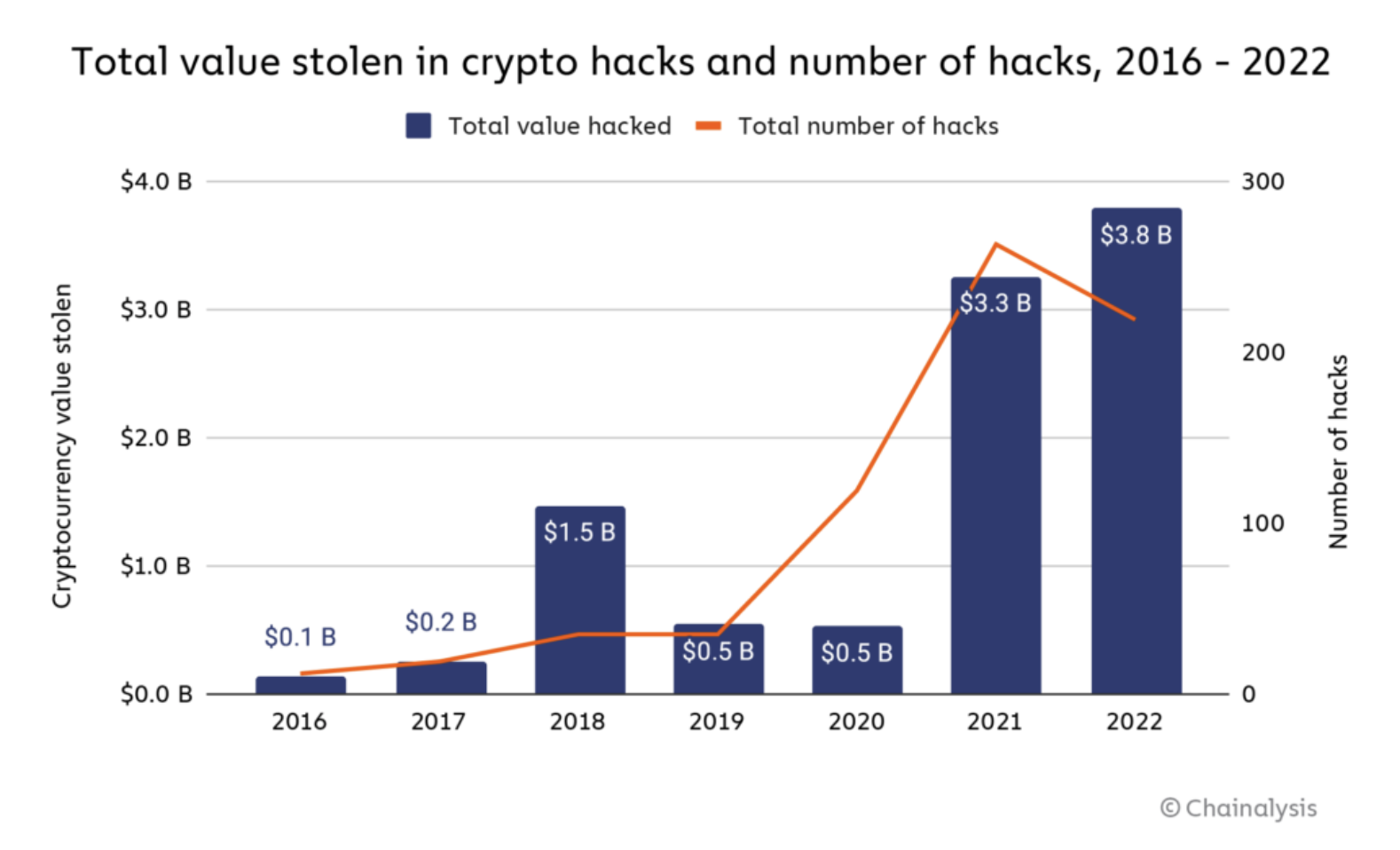 Source: Chainalysis
Cases include Pincoin and iFan, which raised over £450 million before vanishing. PlusToken in 2019 promised high returns and took more than £1.5 billion before collapsing.
More recently, poorly coded smart contracts or new tokens have been drained or abandoned. The 2022 FTX collapse showed that internal mismanagement in large exchanges can also harm investors. Scams continue but have shifted with the industry.
DeFi exploits and rug pulls have also been a huge security flaw. Smart contracts with weak coding have been drained by hackers, and new tokens have been launched only to vanish after liquidity was removed.
More recently, poorly coded smart contracts or new tokens have been drained or abandoned. The 2022 FTX collapse showed that internal mismanagement in large exchanges can also harm investors. Scams continue but have shifted with the industry.
DeFi exploits and rug pulls have also been a huge security flaw. Smart contracts with weak coding have been drained by hackers, and new tokens have been launched only to vanish after liquidity was removed.
Recap
Despite hacks, scams, and high levels of risk when trading, crypto seems to be here to stay and provides investors with new alternatives. DeFi further allows for typical financial functions to be re-created, through code, on decentralised networks.
It is up to the individual how much of an allocation they want to have towards crypto as part of their broader investment objectives but it can no longer be viewed as merely a fringe asset given the market capitalization of the largest coins, and arguably has earned its place as a source of diversification.
While it can still be described as an emerging technology, the basics of investment are the same as ever. Those looking for quick wins could quickly lose their funds, and those looking for steady growth stand a better chance of taking advantage of the opportunities.
It is up to the individual how much of an allocation they want to have towards crypto as part of their broader investment objectives but it can no longer be viewed as merely a fringe asset given the market capitalization of the largest coins, and arguably has earned its place as a source of diversification.
While it can still be described as an emerging technology, the basics of investment are the same as ever. Those looking for quick wins could quickly lose their funds, and those looking for steady growth stand a better chance of taking advantage of the opportunities.
FAQ
Q: What exactly is a blockchain?
A blockchain is a shared digital ledger that records transfers in linked blocks of data. It allows transparent, secure, and decentralised data storage without a central authority. It can be compared to a new kind of database, where records are timestamped.
Q: What is blockchain used for?
Blockchain is used to record and verify transactions without a central authority. It provides a shared ledger that can't be easily altered. While most known for cryptocurrency, it is also used in supply chains, healthcare, finance, and digital identity, where secure and clear record-keeping is required.
Q: Is Bitcoin a blockchain?
Bitcoin is not a blockchain itself but the first cryptocurrency built on blockchain technology. So the underlying blockchain records all BTC transfers. This ledger is public, permanent, and updated by miners who verify and add blocks, ensuring security and consensus without a central authority.
Q: Who owns blockchain?
No single person or company owns blockchain. It is a distributed system maintained by participants across the network. Each blockchain is managed by its community of developers, miners, or validators. The open-source nature means anyone can contribute, build applications, or launch new blockchains.
Q: What is an example of blockchain?
Bitcoin is the most recognized example of blockchain. Other examples include Ethereum, which supports smart contracts, and Ripple, used for fast international payments. Each operates as a digital ledger, storing transactions in blocks linked together, accessible to participants without relying on intermediaries.
Q: Can you mine cryptocurrency?
Yes, you can mine certain cryptocurrencies by using computing power to solve mathematical problems. Mining secures the network and validates transactions. In return, miners receive rewards in the form of new coins and transaction fees. The process requires hardware, electricity, and technical knowledge.
Q: Can I mine crypto for free?
Mining crypto for free is not practical and it requires upfront finance and lots of experience. Some platforms advertise free mining, but these are usually cloud-based simulations or promotions. Real mining always involves costs, whether in hardware, electricity, or maintenance.
Q: Do you pay taxes on crypto?
There has been significant controversy over crypto taxes and many court cases link to IPOs. These cases center on whether or not a crypto is a security, commodity, or currency, and which legal body has the authority. The taxes vary from country to country, and a clear legal infrastructure has not yet been provided.
Q: Is sending crypto to another person taxable?
Sending crypto as a gift or transfer is usually not taxable in itself, but rules depend on jurisdiction. In many places, the act of selling, trading, or converting crypto creates a taxable event. Keeping detailed records of transfers helps in reporting obligations where they apply.
Q: What is the best way to store crypto?
Technically, the best way to store crypto is with a cold wallet. This is a wallet, such as the Ledger or the Trezor, that is disconnected from the internet. It is like a USB that stores your crypto funds. However, local wallets stored on your desktop (such as Exodus) are extremely secure, and we are largely past the days of exchange hacks such as Mt. Gox. As great a threat is if you lose your personal wallet keys, which happens very often.
Q: What is a Secure Web Gateway (SWG)?
In crypto, a Secure Web Gateway protects users when accessing exchanges, wallets, or blockchain applications online. It filters web traffic to block phishing sites, fake login pages, and malicious downloads that target private keys or credentials. By controlling access and scanning threats, SWGs reduce the risk of stolen funds or compromised accounts during crypto activities.